
We Can’t Succeed Without You
Explore the new ACR®️ Volunteer Link platform and find opportunities that best fit your expertise and availability.
Find your volunteer opportunity »
ACR® Announces William T. Thorwarth Jr., MD, Award

ACR®️ Announces New Officers at Annual Meeting
College names Alan H. Matsumoto, MD, FACR, Board of Chancellors Chair and Christoph Wald, MD, PhD, MBA, FACR, Vice Chair.
Learn about the new officers »
ACR®️ Foundation Announces Global Humanitarian Award
Boyd N. Hatton, MD receives the ACR Foundation Global Humanitarian Award.
Learn about his impact »


Join the Radiology-TEACHES®️ Editorial Board!

Join the Radiology-TEACHES®️ Editorial Board!


Learning to Lead — May 16

Learning to Lead — May 16


The ACR Learning Network: Systematically Solving Problems

The ACR Learning Network: Systematically Solving Problems

Accreditation

The ACR has accredited more than 39,000 facilities in 10 imaging modalities. We offer accreditation programs in Mammography, CT, MRI, Breast MRI, Nuclear Medicine and PET, Ultrasound, Breast Ultrasound and Stereotactic Breast Biopsy.

Publications
The JACR and ACR Bulletin provide topics relevant to the practice of radiology and information about the College's services and members. Readers receive in-depth information about the profession including research, advocacy efforts, the latest technology, and education courses.
Read the Bulletin » Read the JACRACR Case In Point
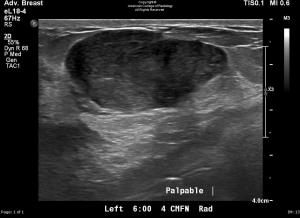
Test your clinical knowledge with the daily Case in Point program, which gives you the opportunity each weekday to work through a subspecialty case.